
Introduction
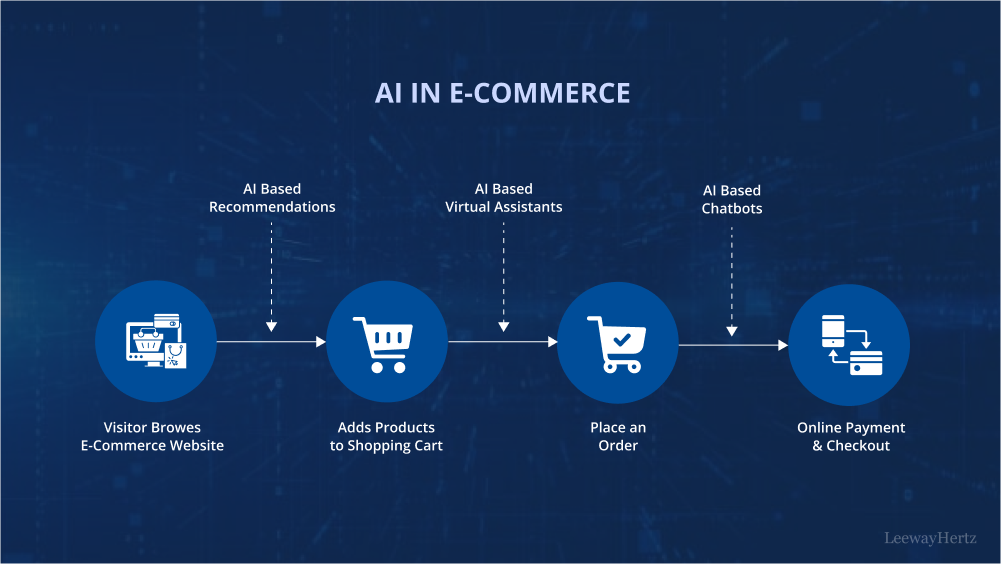
AI is changing how customers discover products. Instead of visiting many stores, a customer can ask an AI shopping agent to find, compare, and recommend products based on price, features, availability, reviews, and personal needs.
So, how do you build an e-commerce website that AI shopping agents can discover and recommend?
The answer starts with technical fundamentals. Your store needs clear product information, crawlable pages, structured data, semantic HTML, fast performance, strong security, accessibility, reliable hosting, and continuous testing.
This approach is becoming increasingly important In The United States, where customers can use AI-assisted search and shopping during product research.
What Should an AI Shopping Agent Understand First?
An AI shopping agent needs clear answers to basic product questions:
- What is the product?
- Who makes it?
- What does it cost?
- Is it available?
- What sizes or variants exist?
- What are its main specifications?
- Who is it suitable for?
- What are the shipping and return conditions?
- How does it compare with alternatives?
Good AI website development makes these answers easy to find in both the visible page and machine-readable information.
The product page should never depend only on marketing language. Instead of saying “powerful performance,” provide measurable specifications such as processor type, memory, storage, dimensions, battery capacity, or supported features.
How Should You Build the Technical Foundation?
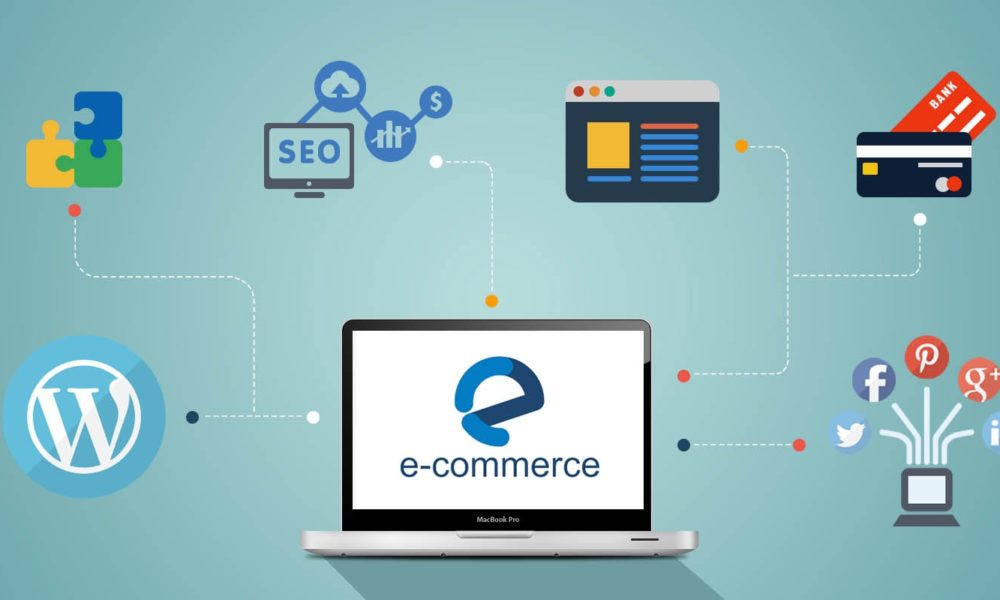
A strong commerce foundation should connect products, categories, content, inventory, structured data, analytics, and checkout.
The most useful technical layers are:
| Technical Layer | What Should Be Built | Why It Matters |
| Product pages | Complete product facts, variants, pricing, availability | Makes products understandable |
| Navigation | Categories, filters, breadcrumbs, internal links | Improves product discovery |
| HTML | Semantic headings, text, lists, tables, forms | Makes page meaning clearer |
| Structured data | Product, offer, review, organization information | Provides machine-readable context |
| URLs | Stable, descriptive, indexable URLs | Supports reliable retrieval |
| Performance | Optimized images, scripts, caching, server response | Improves shopping experience |
| Accessibility | Keyboard access, labels, headings, readable content | Supports broader access |
| Security | HTTPS, authentication, validation, access controls | Protects customers and systems |
| Testing | Automated, manual, browser, agent, and security tests | Reduces technical failures |
| Monitoring | Uptime, errors, indexing, performance, data checks | Detects problems after launch |
This architecture is useful In The United States because an e-commerce business must support both human shoppers and increasingly automated discovery channels.
How Do You Make Product Pages Machine-Readable?
An AI-readable website should expose important information as real page content instead of hiding it inside images, inaccessible controls, or complicated scripts.
For example, a product page should clearly expose:
Brand: Example Brand
Model: X200
Price: $799
Availability: In stock
Storage: 1 TB
Memory: 32 GB
Warranty: 2 years
The information should also remain consistent across product feeds, structured data, APIs, and other commerce systems.
Why Are Structured Data and Semantic HTML Important?
AI website structured data gives systems additional information about products, offers, reviews, and other entities.
AI website schema markup can describe important product properties in a standardized machine-readable format.
At the same time, AI website semantic HTML gives meaning to headings, paragraphs, lists, tables, buttons, links, and forms.
These technologies should support the visible page, not contradict it.
If the page says a product costs $900 but structured information says $800, the website has created a data-quality problem.
What Makes an E-commerce Architecture AI-Friendly?
An AI-friendly website architecture should create a logical relationship between:
Homepage → Category → Subcategory → Product → Variant
It should also connect products with:
Specifications → Reviews → FAQs → Guides → Related Products
An AI agent friendly website should make important shopping information accessible without unnecessary interaction steps.
This is central to agentic website development and practical website development for AI agents.
How Do You Improve AI Search and Product Discovery?
Search optimization should focus on useful information rather than keyword repetition.
Use AI website SEO to improve technical accessibility, content structure, internal linking, product information, and search relevance.
For e-commerce specifically, AI ecommerce website SEO should make product facts easy to understand and compare.
This supports AI search website optimization and improves AI search visibility for websites by creating pages that answer genuine customer questions.
Useful content can answer:
- Which product is best for a particular use?
- What is the difference between two models?
- Which product works with a particular device?
- What are the limitations?
- What does the warranty cover?
- Which size or configuration is appropriate?
Can Google AI Search Experiences Understand Your Store?
A good AI website for Google AI Overviews should focus on accurate information, useful content, technical accessibility, and reliable page structure.
The same principle applies when building an AI website for Google AI Mode.
There is no reliable shortcut that guarantees inclusion in an AI search feature. The stronger approach is to make your website useful, technically accessible, factually accurate, and easy to interpret.
Can AI Shopping Agents Discover and Cite Your Products?
No website can guarantee that an AI system will recommend a product.
However, AI website citations can become more useful when pages provide clear evidence about products.
Strong product pages should contain:
- Exact product names
- Manufacturer and model
- Current pricing
- Availability
- Technical specifications
- Product limitations
- Shipping information
- Return policies
- Supporting documentation
This supports AI website discoverability because the product information is easier to retrieve and interpret.
How Do You Solve Crawlability and Indexing Problems?
A product cannot be discovered reliably if its page cannot be retrieved.
Good AI website crawlability requires:
- Working URLs
- Logical internal links
- Correct canonical URLs
- Appropriate robots directives
- Stable server responses
- Accessible page content
- Correct rendering
- No unnecessary URL duplication
Common AI website indexing problems include accidental noindex tags, blocked resources, orphan pages, duplicate URLs, incorrect canonical tags, and products that only appear after complex browser interactions.
How Do Performance and Core Web Vitals Affect Shopping?
A slow product page can damage the shopping experience.
AI website performance should focus on:
- Image compression
- Efficient JavaScript
- CSS optimization
- Caching
- Server response time
- Font optimization
- Third-party script control
Monitor AI website Core Web Vitals and real-user performance instead of relying only on laboratory tests.
Your AI website hosting also matters. Reliable infrastructure, strong server response times, caching, backups, and scalable resources help maintain a stable store.
How Should You Secure an AI-Enabled Store?
AI website security should protect customer accounts, payment systems, APIs, databases, administration tools, and internal services.
Use:
- HTTPS
- Secure authentication
- Access controls
- Input validation
- Secure sessions
- API authorization
- Dependency updates
- Security monitoring
- Regular vulnerability testing
For commerce systems, AI ecommerce website security is especially important because the website processes customer and transaction information.
Can AI-Generated Code Create Security Problems?
Yes.
AI can produce code quickly, but generated code still needs human review.
AI-generated website code security should include:
- Dependency scanning
- Authentication review
- Authorization testing
- Input validation checks
- API security testing
- Secret management
- Code review
Do not assume generated code is secure simply because it compiles or passes a basic functional test.
How Does Accessibility Help an AI-Agent-Friendly Store?
AI website accessibility should make the store usable through keyboards, assistive technologies, different screen sizes, and other interaction methods.
Important controls include:
- Correct heading hierarchy
- Descriptive links
- Form labels
- Keyboard navigation
- Visible focus states
- Alternative text
- Clear error messages
- Sufficient contrast
AI agent website accessibility should also be tested during automated shopping journeys so that important information and controls remain reachable.
How Do You Test the Store Like a Shopping Agent?
Traditional testing asks whether a human can complete checkout.
Agent-focused testing asks whether an automated system can reliably understand and complete the same journey.
AI agent website testing can check whether an agent can:
- Find a product.
- Identify its price.
- Select a variant.
- Read specifications.
- Check availability.
- Compare alternatives.
- Find shipping information.
- Find return information.
- Reach the correct purchase flow.
This testing should become part of the normal engineering process.
What Happens When AI Generates Too Much Website Code?
Fast generation can create AI-generated website technical debt.
Common problems include:
- Duplicate components
- Unused dependencies
- Inconsistent coding patterns
- Poor documentation
- Repeated logic
- Weak error handling
- Slow scripts
- Difficult maintenance
The solution is not to stop using AI. Instead, combine AI development with architecture standards, code review, testing, documentation, and refactoring.
How Should You Test an AI-Generated E-commerce Website?
AI-generated website testing should cover more than visual appearance.
Test:
- Product pages
- Search
- Filters
- Forms
- Accounts
- APIs
- Checkout
- Mobile layouts
- Accessibility
- Performance
- Structured information
- Security
AI website quality assurance should combine automated tests with human review.
After each major release, AI website regression testing should confirm that important product discovery, navigation, checkout, and data functionality still work.
How Do You Keep Product Information Accurate?
AI systems depend on reliable information.
AI website content accuracy should be reviewed for:
- Product specifications
- Prices
- Availability
- Compatibility
- Warranty claims
- Shipping information
- Return policies
- Product comparisons
Use AI website fact checking before publishing automatically generated claims.
If an AI system invents a specification, that incorrect information can damage customer trust and business credibility.
How Do You Monitor the Website After Launch?
Launching the store is only the beginning.
AI website monitoring should track:
- Server errors
- Broken links
- Page speed
- Product availability
- Structured-data errors
- Checkout failures
- Indexing changes
- API failures
Use AI website uptime monitoring to detect outages and infrastructure failures quickly.
Keep monitoring after every major template, product catalog, integration, or platform change.
How Should Analytics and Conversion Optimization Work?
AI website analytics should measure more than page views.
Track:
- Product discovery
- Product views
- Add-to-cart activity
- Checkout completion
- Revenue
- Search behavior
- Referral sources
- Product-level conversion
Then use AI website conversion optimization to improve product pages, navigation, checkout, and calls to action.
The goal is not simply more traffic. The goal is more qualified shopping activity and completed purchases.
Should You Personalize an AI Shopping Store?
Yes, but personalization should not hide essential product information.
AI website personalization can help customers discover relevant products using signals such as previous purchases, browsing behavior, preferences, and shopping context.
However, core facts such as price, specifications, availability, warranty, and return policies should remain clear.
Should You Migrate, Redesign, or Rebuild?
Not every store needs to start from zero.
An AI website migration can move an existing store to a stronger technical platform while preserving valuable content and URLs.
An AI website redesign is appropriate when the architecture is usable but the user experience, navigation, or content structure needs improvement.
An AI website rebuild may be necessary when the existing platform has serious limitations in performance, security, scalability, integrations, or content management.
Before changing platforms, document URLs, redirects, product data, metadata, structured information, analytics, and internal links.
Who Owns the Website, Code, and Content?
Business ownership should be clear before development begins.
AI website ownership should cover the domain, hosting account, website, data, content, analytics, and key integrations.
AI website code ownership should define who controls the source code, repositories, deployment systems, and technical documentation.
Also review AI website copyright ownership for AI-generated text, images, code, templates, licensed assets, and third-party materials.
Clear ownership reduces vendor dependency and makes future migration easier.
How Should Privacy and Legal Compliance Be Managed?
E-commerce websites collect valuable customer information.
AI website privacy compliance should address what data is collected, why it is collected, how it is used, how long it is retained, and what rights customers have.
AI-generated website legal compliance should also consider applicable requirements for privacy, accessibility, intellectual property, product claims, consumer protection, and third-party content.
Legal requirements vary by market, so technical teams should work with appropriate legal professionals when necessary.
What Should You Maintain After Launch?
AI website maintenance should include:
- Security updates
- Dependency updates
- Product-data reviews
- Broken-link checks
- Performance testing
- Backup testing
- Structured-data validation
- Browser compatibility checks
- Content reviews
Automation can reduce repetitive work, but important changes should still receive human review.
What Is the Best Technical Model for an AI-Ready Store?
The strongest approach connects product data, content, structured information, performance, security, testing, and analytics.
| Business Need | Technical Solution | Practical Result |
| Product discovery | Crawlable URLs and internal links | Easier retrieval |
| Product understanding | Clear specifications and descriptions | Better interpretation |
| Product comparison | Consistent attributes and tables | Easier comparison |
| Trust | Accurate facts and policies | Better confidence |
| Accessibility | Semantic HTML and accessible controls | Easier interaction |
| Performance | Caching and optimized assets | Faster pages |
| Security | Secure APIs and authentication | Lower risk |
| Reliability | Automated testing and monitoring | Fewer failures |
| Conversion | Clear product and checkout journeys | Better sales potential |
| Long-term control | Code, data, and infrastructure ownership | Lower dependency |
A technically strong store can support both human customers and automated shopping experiences In The United States.
Should You Choose an AI Builder or Custom Development?
The decision depends on complexity.
AI website developer vs AI website builder should be evaluated using factors such as catalog size, custom integrations, checkout requirements, inventory systems, scalability, security, ownership, and maintenance.
A builder may work well for a simple store.
Custom development may be better for businesses that require:
- Complex product catalogs
- Custom pricing
- Multiple inventory systems
- Proprietary APIs
- Advanced customer accounts
- Custom fulfillment
- Specialized checkout
- Complex integrations
Calculate AI website total cost of ownership by including development, hosting, plugins, maintenance, security, integrations, staff time, migration, and future changes.
What Is the Final Checklist for AI Shopping Discovery?
Before launch, verify:
- Every important product has a stable URL.
- Product facts are complete and accurate.
- Prices and availability are consistent.
- Structured information matches visible content.
- Internal links connect products and categories.
- Important content is accessible without unnecessary interaction.
- Pages load efficiently.
- APIs and customer data are protected.
- Automated shopping journeys are tested.
- Indexing problems are monitored.
- Generated code receives technical review.
- Product claims are fact-checked.
- Ownership is documented.
- Privacy and legal requirements are reviewed.
This approach is especially useful In The United States, where e-commerce businesses need to compete across traditional search, marketplaces, recommendation systems, and AI-assisted discovery.
6 Frequently Asked Questions
1. Can an AI shopping agent guarantee product recommendations?
No. A website can improve discoverability and provide better information, but no business can guarantee that an AI system will recommend a particular product.
2. Is structured data enough for AI shopping discovery?
No. Structured information is only one part of the solution. The website also needs accessible content, reliable pages, clear product relationships, good performance, and accurate information.
3. Can a small online store become AI-ready?
Yes. Start with crawlable product pages, accurate product information, semantic HTML, structured data, fast performance, accessibility, security, and useful customer-focused content.
4. Can JavaScript make products harder to discover?
It can if important information or controls are unavailable without complex client-side processing. Essential product information should be reliably accessible and rendered.
5. Should every e-commerce business build a custom AI agent?
No. Most businesses should first make their existing website technically strong and machine-readable. A custom agent is only useful when there is a clear business requirement.
6. What is the most important first step?
Start with product-data quality. Make every product page clear, accurate, accessible, crawlable, fast, and consistent across the website and supporting commerce systems.
Conclusion
Building a store for AI shopping agents is not about adding a single AI feature.
It is about creating a technically clean e-commerce system that can clearly communicate:
What is the product?
What does it do?
How much does it cost?
Is it available?
Who should buy it?
What are its specifications and limitations?
How does it compare with alternatives?
When these answers are accurate, accessible, structured, secure, fast, and consistently maintained, your products become easier for automated systems to discover and understand.
The strategy is simple: build for people first, make the information machine-readable, and continuously test and maintain the technical foundation.
That is the foundation of a strong website for AI shopping agents and a practical path toward better AI-assisted product discovery In The United States.



